
Start where you are.
Change what you can.
Build what you imagine.
Strong blocks create strong communities, and strong communities make strong cities. For over 50 years, the Center for Neighborhoods has equipped residents across Louisville's 170 neighborhoods, cities and named places with the skills, knowledge, and resources to make local change possible.
Start where you are
people have the power. yesterday, today, and always.
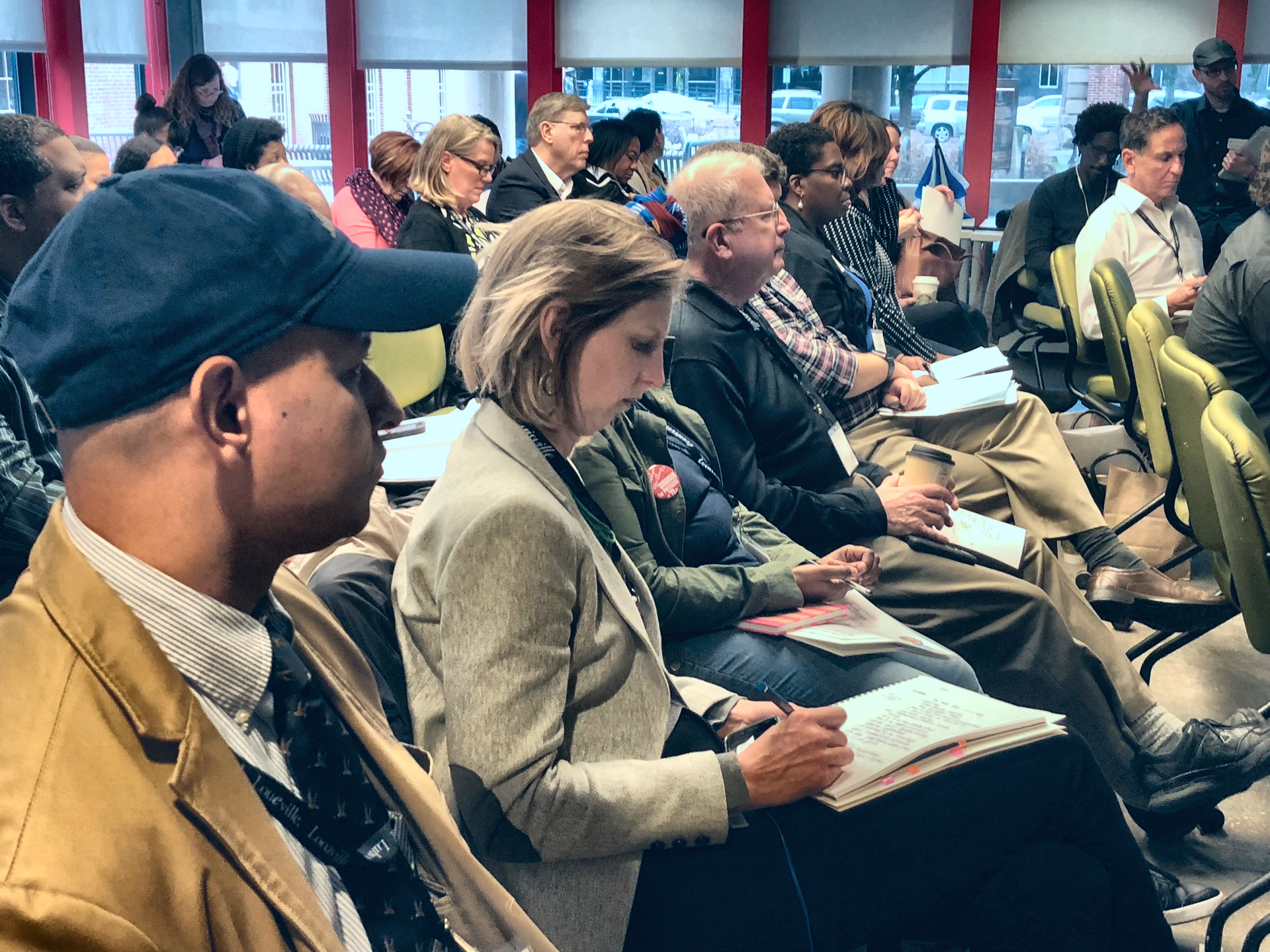
Every neighborhood story begins with the people who call it home. That’s where the Center for Neighborhoods began too. Our founders stood shoulder-to-shoulder with residents in Old Louisville and Russell as they worked to preserve historic homes and reimagine them as multi-family buildings. It was a simple belief: when neighbors come together with a shared vision, the places they love can be protected, strengthened, and transformed. That belief shapes who we are to this day.
change what you can
The power of neighbors + the momentum of community
Change doesn’t begin with massive systems, it begins with neighbors. With people who care enough to show up, speak up, and work together. And that power is far greater than many realize.
When residents connect around a shared goal, change becomes not just possible, it becomes unstoppable.
It shows up in safer streets, stronger block associations, new businesses, better housing, cleaner parks, and more opportunity for every family. It grows when people bring their ideas, energy, and lived experience to the table. And it continues when partners funders, civic institutions, developers, and community groups — join forces around a vision led by residents themselves.
build what you imagine
A model that moves communities from vision to reality
CFN’s role in this stage is simple: We help neighbors turn possibility into action. We support individuals, organizations, and citywide partners who want to contribute to meaningful neighborhood change. Whether you are a resident with an idea, a funder looking to support community-led work, or a partner seeking trusted guidance, you have a role in shaping the places where people live, learn, and belong.
Because you don’t have to change the world — you just have to change what’s right outside your door. And together, that changes everything.
Community Resources
Data, practical tools, learning opportunities, and neighborhood stories to help you better understand your neighborhood.
Discover our ideas in action
Read perspectives, project highlights, and organizational news that share lessons learned, celebrate community successes, and spark new ideas for neighborhood action.
See Your Community Through Data
Explore neighborhood data, custom mapping services, and visual tools that help communities better understand local conditions.
Follow the decisions that shape your neighborhood
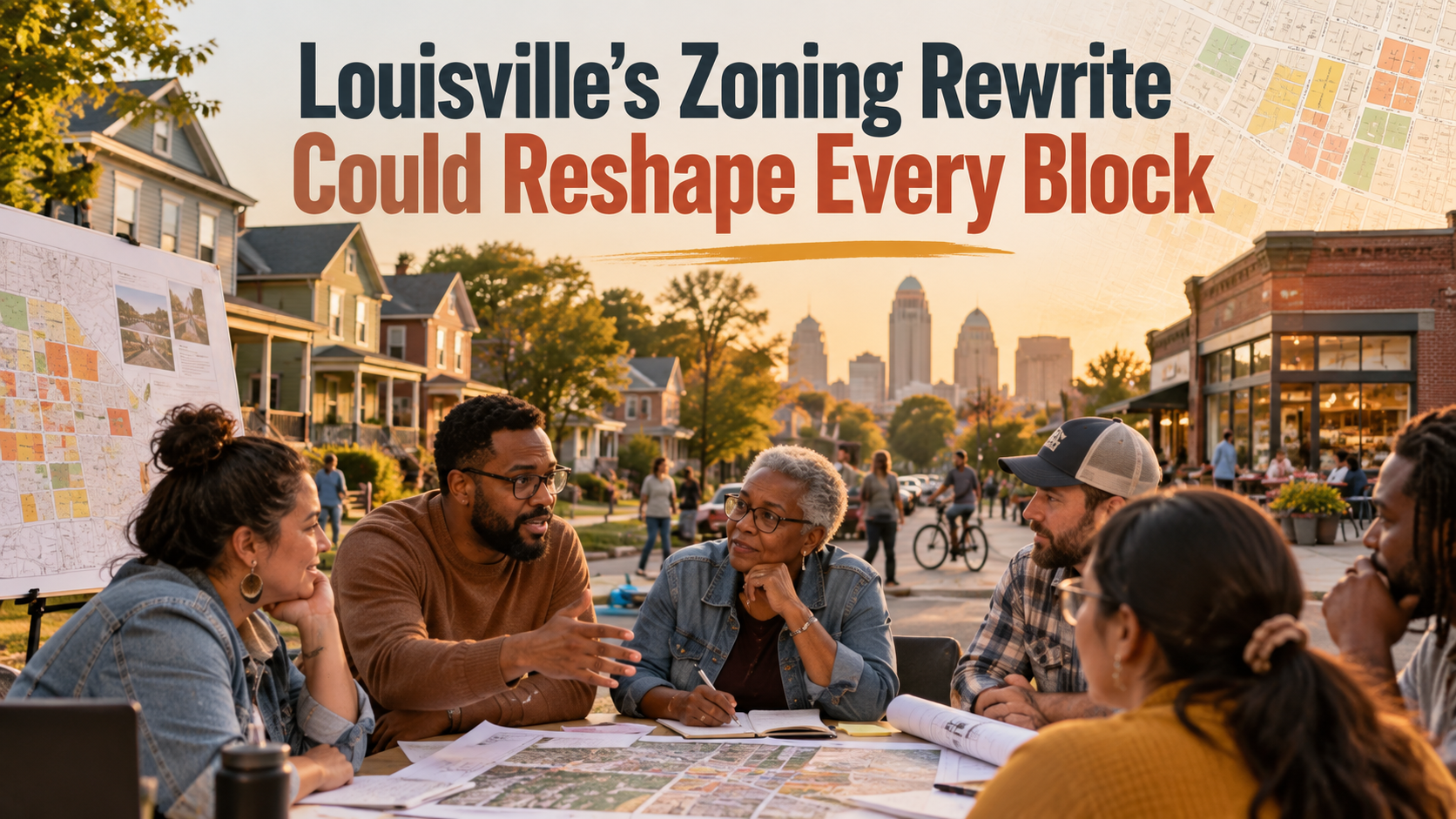
See how local decisions affect neighborhoods through timely updates, policy explainers, and easy-to-follow civic reporting designed for everyday residents.
Strengthen your leadership
Discover workshops, events, and learning opportunities that equip residents and neighborhood leaders with practical knowledge and meaningful connections.
Explore our impact
Review annual reports, financial statements, and organizational documents to better understand our work, our stewardship, and the impact we're making alongside Louisville neighborhoods.
Center for Neighborhoods - Theory of change
Our long-established Theory of Change recognizes that sustainable neighborhood transformation follows a deliberate progression: Engagement → Education → Planning → Investment. Together, this sequence creates more than individual projects. It builds neighborhood capacity, grows long-term civic leadership, and shapes the policy and investment environment so communities can continue to direct their own futures—again and again.
Engagement
Learn MoreWe begin by building trust and relationships with neighbors, meeting people where they are and listening first. Through authentic engagement, residents identify priorities, build confidence, and take the first steps toward shaping what happens in their communities.
Education
Learn MoreWe equip neighbors with the knowledge and skills to navigate civic systems, organize collectively, and lead effectively. Through applied learning and shared experience, residents gain the tools to move from participation to leadership.
Planning
Learn MoreWe support neighborhoods in translating their ideas into clear, community-owned visions and actionable strategies. By centering residents and grounding plans in data and feasibility, we help ensure planning leads to real decisions and lasting impact.
Investment
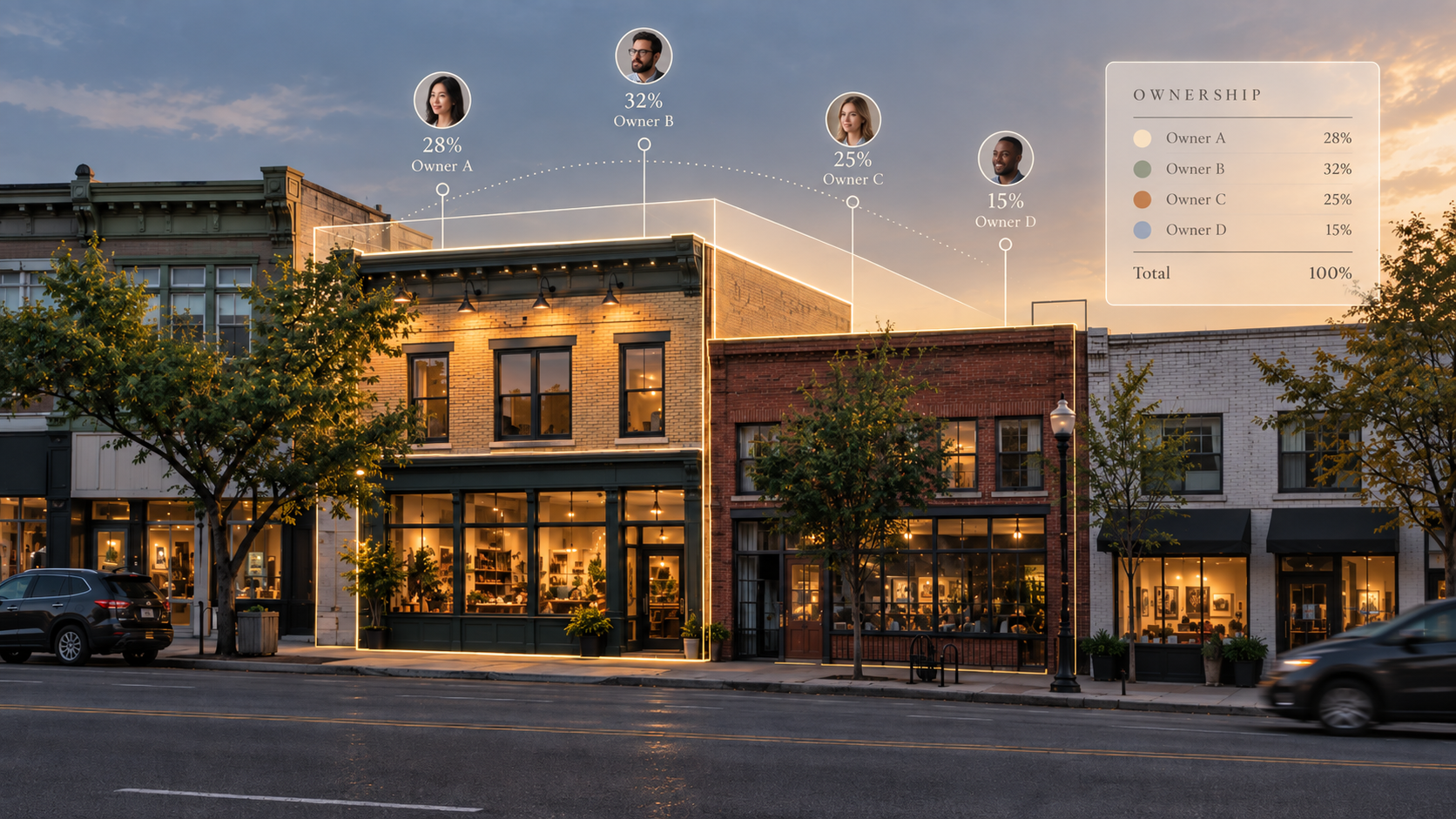
Learn MoreWe connect communities to the capital, partners, and implementation support needed to bring plans to life. By aligning investment with neighborhood priorities, we help shift power, keep value local, and create pathways for long-term transformation.
When residents come together with a shared purpose, they create safer, more connected, more vibrant places to live.