
news & Insights
Paying for Participation: How Our COAB Project Invests in Community Voices
Here’s a number worth celebrating: $109,000.
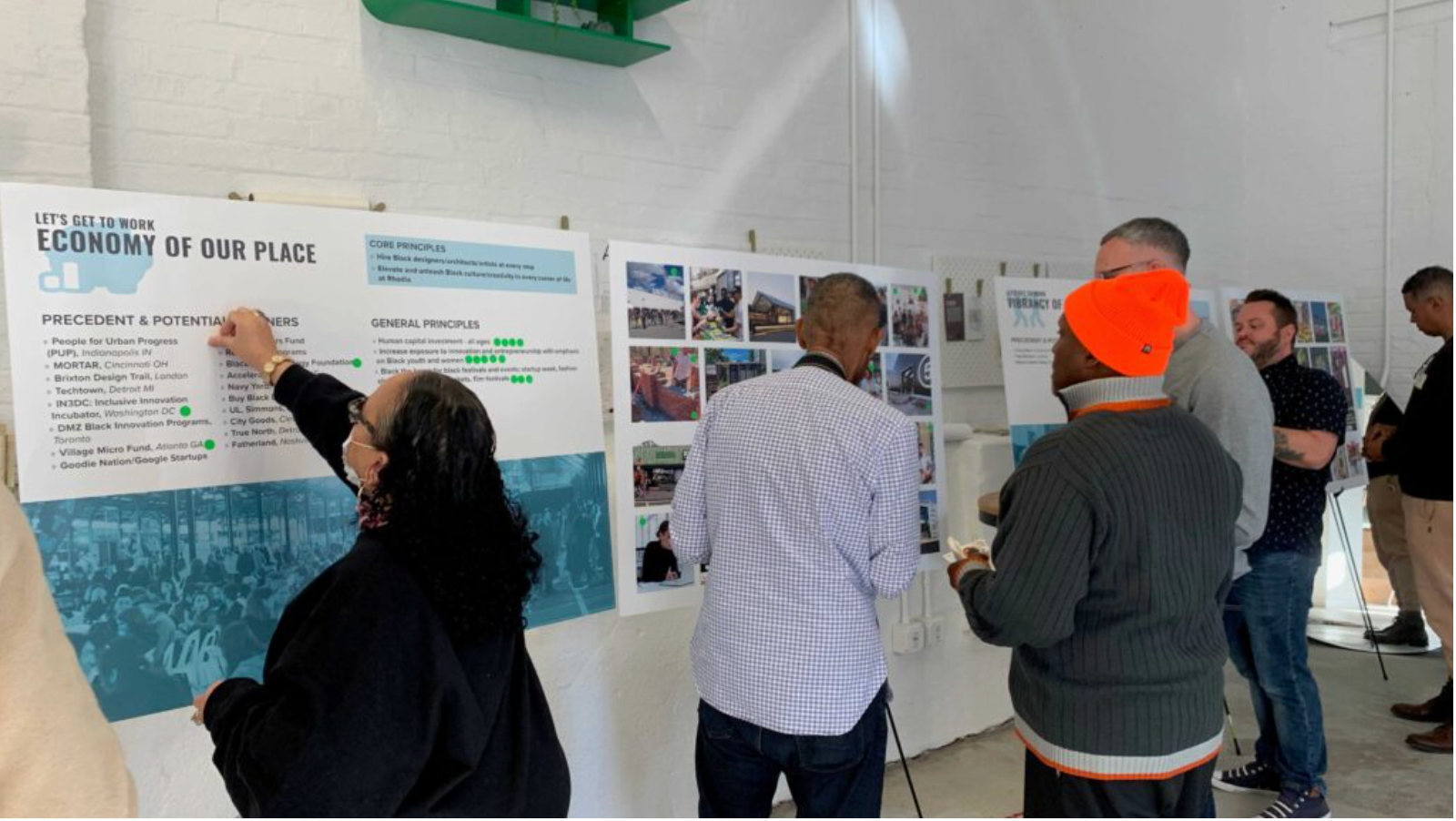
That’s how much the Park Hill/Algonquin Community of Opportunity project (COAB) has put straight into neighbors’ pockets since 2022—roughly 10 percent of every project dollar—through MoCaFi pay cards. These stipends compensate residents for the time and expertise they contribute while shaping the future of a 17-acre former chemical plant into a “culturally rich, socially just, environmentally restorative live-work-play destination.”
Why pay stipends?
- Fairness & Equity – Lived experience is professional-grade data. Paying for it signals that residents’ perspectives carry the same weight as any consultant’s.
- Access & Inclusion – Stipends remove practical barriers (lost wages, childcare, transit) so low-wealth residents can show up and lead.
- Quality & Accountability – When community members are compensated, participation rises, feedback is richer, and projects stay on course.
Shelterforce calls this the “gold standard” for authentic engagement, noting that treating residents as paid consultants “should be a given.”
We’re leading as part of a growing national movement
- Seattle’s Equitable Development Initiative – Advisory-board members earn $300 per month for two meetings, recognizing the value of their lived expertise.
- King County (WA) EDI – Community reviewers receive $75 per hour for project scoring and policy input.
- New Haven’s “Know Your Neighbors Fund – Micro-grants of $100 spark resident-led projects to combat social isolation. (New Haven Register)
- California Climate Investments (CCI) – State guidance lists resident stipends as a best-practice requirement for equitable climate projects.
Together, these models prove that compensating community expertise isn’t fringe—it’s emerging consensus.
Impact so far
- 35 residents have earned stipends while informing Re:land Group’s development of the Rhodia site, co-designing COAB’s master plan, and planning an upcoming co-op and Economic Village.
- New neighborhood association formed with stipend-supported leadership, sustaining advocacy beyond the project timeline.
- Informed investment – Resident insights influenced site remediation sequencing and planning for retail amenities and small-business support, increasing future revenue potential.
Looking ahead
As CFN and partners move from Leadership to Ownership (Part 3 of COAB), stipends have been a cornerstone. Budgeting for people first creates a replicable blueprint for equitable development in Louisville and beyond.
Call to action:
Developers, funders, and fellow nonprofits—bake stipends into your budgets. Paying community experts isn’t a luxury line-item; it’s the cost of doing transformational work well.
Center for Neighborhoods is proud to model what’s possible when communities are paid—literally—to shape their own future.
share this

Be Part of
the Story
The stories you’re reading are powered by residents building stronger communities. Donate today and support our residents, plans, and partnerships that make community-led change possible.